


Luasaka: TECHzMagazine – News Desk
The Zambian Government is aggressively intensifying its digital transformation efforts in rural areas through a series of robust information and communication technology (ICT) interventions. Driven by the SMART Zambia Institute, this nationwide initiative aims to improve efficiency, accountability, and communication in public service delivery, ensuring that remote communities are fully integrated into the country’s digital economy.
The SMART Zambia Northern Provincial ICT Unit has recently spearheaded targeted digital upgrades across the Mpulungu, Mbala, and Lupososhi districts to modernize government human resource systems and foundational ICT infrastructure. Government employees are being actively onboarded onto the E-Payslip Self-Service Portal, granting civil servants round-the-clock access to their employment records to reduce administrative delays and boost transparency.
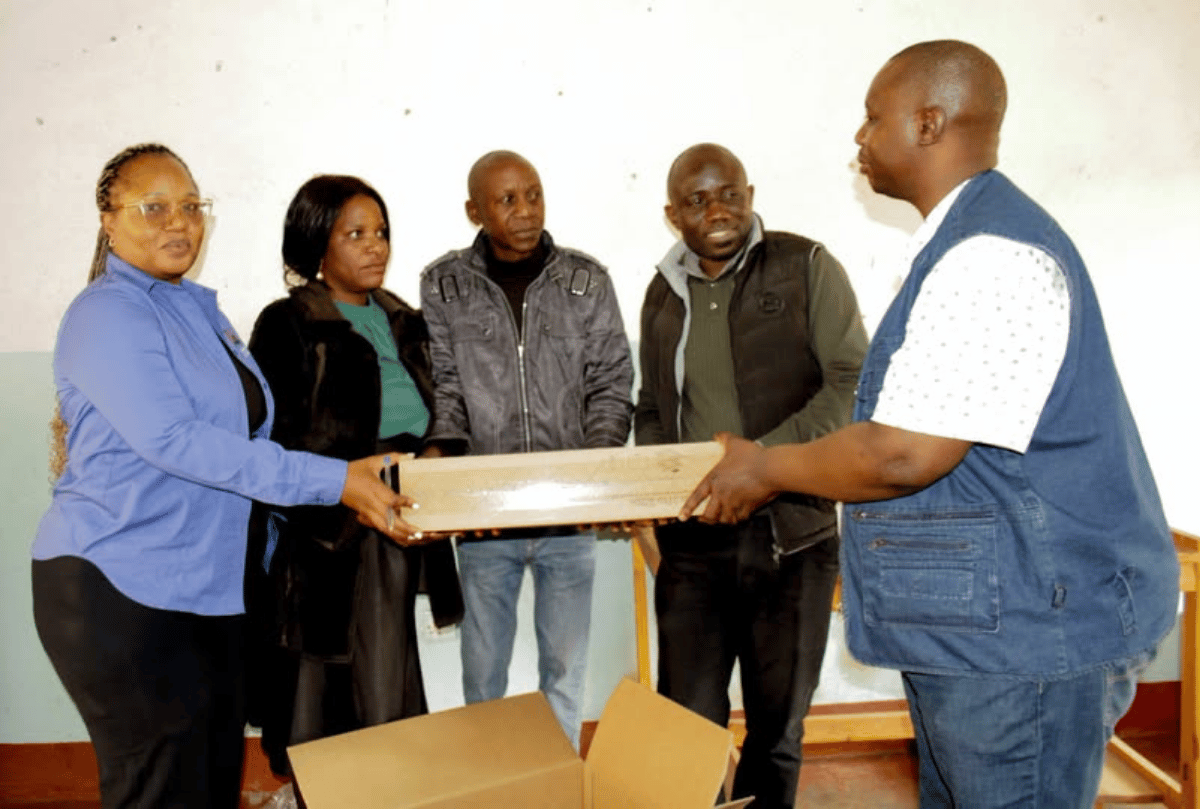
In Lupososhi, the district administration has been equipped with a Wireless Access Point configured for the Government Wide Area Network (GWAN) to bypass unreliable cellular networks with stable internet and digital calls. Furthermore, officials are undergoing strict sensitization on Government Office Equipment Standards for the acquisition, maintenance, and safe disposal of technology assets.
The recent upgrades in the Northern Province are part of a broader national strategy. By July 2026, SMART Zambia announced major milestones in the North-Western Province, where all local authorities and post offices are now fully digitalized through dedicated fiber networks and GWAN. This connectivity forms the backbone of several essential public services. SMART Boards are being aggressively deployed in rural schools to close the digital learning divide.
In healthcare, the SmartCare Pro system has been successfully installed in 80% of health facilities nationwide to transform medical data management. Additionally, the Zambia National Spatial Data Infrastructure (ZNSDI) GeoPortal allows districts to accurately map natural resources, ensuring transparent land administration and the conflict-free issuing of artisanal licenses.
These localized ICT interventions across Zambia form the building blocks of a transparent, accountable, and accessible government. By equipping rural districts with reliable internet access and modernized digital platforms, the Zambian government is steadily dismantling the geographical barriers to public service delivery.
