


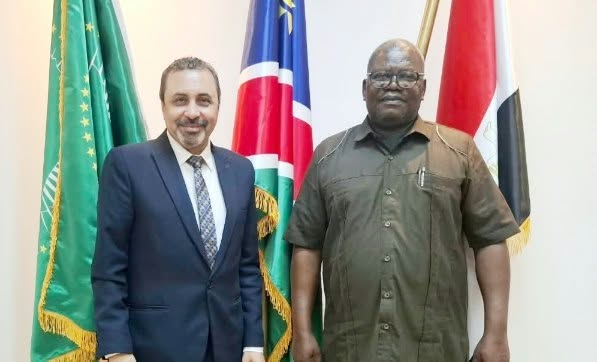
Cairo – TECHz – By: Ashraf Gaber
Africa is no longer just a continent rich in natural resources; it has transformed into a dynamic arena for shaping the future and forging cross-border strategic partnerships. At the heart of this scene, “Egyptian-Namibian” relations stand out, where Egypt’s pioneering experience in infrastructure, smart cities, and desert reclamation meets the immense investment opportunities in Namibia’s vast lands and extended coastlines.
In this exclusive interview, we host H.E. Ambassador Weich Mupya, the Ambassador of the Republic of Namibia in Cairo, to provide us with an accurate analytical vision of Namibia’s promising economy. From the green hydrogen boom and the thriving mining sector, through the opportunities to transfer the urban experience of “New Alamein” via “twinning” projects, to the sectors of aquaculture, food security, cultural tourism management, and wildlife.
This encounter goes beyond sharing visions; it opens wide doors for business sectors and industrial entities to build solid economic bridges connecting the north of the continent to its south, transforming common geographical challenges into tangible investment successes. It also serves as a preparatory meeting for my upcoming visit to Namibia soon. I would also like to extend my thanks to Ms. Irene and Mr. Moses from the embassy staff for their efforts in arranging this meeting.
A Second Home and a Warm Experience
Your Excellency, we are delighted to conduct this interview with you. How would you describe your experience in Egypt since assuming your post, and what are your main impressions of residing in Cairo?
Ambassador Weich Mupya: Thank you very much for your efforts. I arrived in Egypt last January, and since then I have not left due to the multitude of tasks we are working on. Egypt is truly a wonderful country and an authentic model for African host nations; the phrase “Welcome to Egypt” is echoed everywhere, and the Egyptian people are characterized by exceptional hospitality and immense friendliness. I even joke with them now, saying, “I have become an Egyptian resident, and you will be seeing a lot of me.”
On a personal level, I have never felt like a stranger; the weather here, with its hot summers and cold winters, is very similar to the climate in Namibia, in addition to our shared desert nature. The only minor challenge was the Arabic language, but everyone here is quick to help facilitate communication, even using translation apps. Integration into Egyptian society has been extremely easy and smooth.
Admiration for Egypt’s New Development Experience
Following your observation of economic activity in Egypt, what are the most prominent sectors that caught your attention and that you see as a genuine opportunity for cooperation between the two countries?
Ambassador Weich Mupya: The Egyptian experience is full of inspiring lessons, and I can summarize my admiration in several vital sectors:
- Agricultural Renaissance: Despite its desert nature, Egypt has successfully created vast green spaces thanks to irrigation projects and the development of water resources. This is an achievement we seek to benefit from by sending our cadres to learn and acquire land reclamation skills.
- Construction and Infrastructure: The pace of construction here is astonishing and unmatched. You might pass by an empty lot and find a complete building with solid concrete foundations just a week later. Our geographical environment is similar to Egypt’s, and we need to replicate this robust urban experience.
- Heritage and Tourism Management: The volume of tourist influx to the pyramids and museums reflects exceptional efficiency in managing cultural tourism, which is a rich model we aim to apply to develop our tourism sector.
- Marine Aquaculture: During my visit to the Suez Canal, I was amazed by the aquaculture projects. In Namibia, we rely on freshwater, but we have a coastline stretching about 1,800 kilometers along the Atlantic Ocean that is underutilized. We aspire to exchange expertise with Egypt to maximize its potential instead of seeking expertise from distant continents.
Namibia: The Land of Promising Opportunities
Moving to Namibia, what are the most prominent investment opportunities you invite the business sector to explore?
Ambassador Weich Mupya: Namibia possesses a vast area exceeding 820,000 square kilometers with a population of only about 3 million people, opening up massive development prospects. There are major opportunities in several sectors, such as the agricultural sector, where we possess fertile lands in the “Zambezi” region, which includes permanently flowing rivers and hosts major agricultural projects like the “Kalimbeza” rice project. Opportunities also extend to the “Kavango”, “Hardap”, and “Karas” regions, known for producing grapes and dates.
Additionally, the mining sector, as we are rich in massive reserves of diamonds, gold, uranium, and copper. This thriving sector requires equipment and technical machinery, offering broad opportunities for Egyptian companies to supply machinery or enter into investment partnerships. Also, clean energy, as we have promising new initiatives in green hydrogen that open the door wide for bilateral cooperation in the energy sector.
Strategic Partnerships and Twin Cities
How do you envision the mechanisms for enhancing this cooperation on the ground in the upcoming phase?
Ambassador Weich Mupya: The official and historical relations between our governments are deep, and the path is paved for the business sector to explore opportunities. We look forward to tangible cooperation through:
- Dams and Hydropower: Egypt possesses pioneering expertise in constructing dams in Africa (such as the Julius Nyerere Hydropower Plant), and we hope to enlist Egyptian companies to implement similar projects in our country.
- Direct Aviation and Transport: With the increasing movement of businessmen, launching a direct flight route between Egypt and Namibia has become an urgent necessity.
- Wildlife Exchange: Namibia is rich in wildlife such as elephants, lions, and cheetahs. We seek to activate wildlife exchange programs to support zoos and specialized reserves in Egypt, creating joint investment and tourism revenues.
- Twin Cities: I have visited Alexandria, Assiut, and the city of New Alamein. What has been achieved in Alamein in just two years, transforming a desert into an integrated urban city, is an impressive feat. We aspire to apply a “twinning” system between Namibian and Egyptian cities to exchange the expertise of local administrations in urban planning and coastal development.
An Open Invitation to Explore the Magic of Namibia
What is your message to our readers who wish to visit Namibia and explore its landmarks?
Ambassador Weich Mupya: Namibia is a very safe, peaceful, and hospitable country, and we take pride in possessing a road network ranked first in Africa for its quality. We have 14 regions, each brimming with distinctive tourist destinations. In the north and central areas, you can enjoy the famous Etosha National Park, the Kunene River, and the Bwabwata and Mahango game reserves.
On the coasts, charming cities like Walvis Bay, Swakopmund, and Henties Bay shine, while in the south, you will be amazed by the enchanting sand dunes of Sossusvlei and the Fish River Canyon. Namibia also boasts unique natural landmarks such as the Waterberg Plateau, Epupa Falls, and the Brandberg Mountain, which is the highest peak in the country.
Thank you very much, Your Excellency, for this enjoyable interview. We wish you a pleasant stay and further success in strengthening the relations between Egypt and Namibia.
Ambassador Weich Mupya: Thank you very much, and I wish your magazine and readers all the best.
