


Manila: TECHz – News Desk
The commercialization of biotech crops in the Philippines is shaped by regulatory frameworks, public perceptions, and crucially, the judiciary when commercial release faces challenges from technology opponents. While regulations provide a foundation, their effectiveness can be impacted by public opposition and legal disputes.
Strategic communication of biotechnology’s benefits and safety is essential to bridge this gap, particularly when navigating the legal landscape and fostering agricultural biotechnology regulation that prioritizes poverty alleviation, food security, sustainability, and social progress.
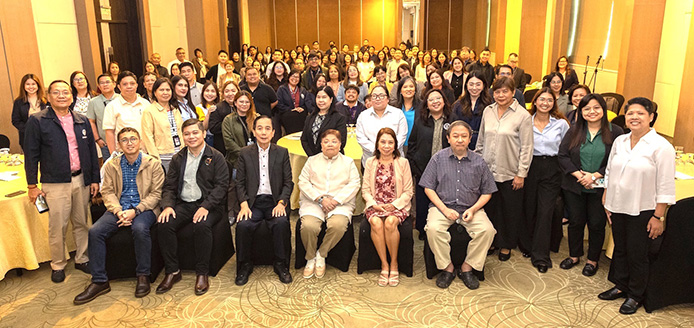
The International Service for the Acquisition of Agri-biotech Applications (ISAAA) Inc., in collaboration with Bayer AgriScience Inc., held a workshop to address critical challenges hindering biotech product commercialization in the Philippines. The event, titled “The Future of Food and Law: A Workshop on Agricultural Biotechnology for the Philippine Judiciary,” convened more than 100 participants at a Manila hotel on September 25.
Representatives from the Supreme Court, Philippine Judicial Academy, Court of Appeals, regulatory bodies, academia, scientists, researchers, public and private technology developers, and communicators gathered to analyze current challenges and develop proactive strategies for delivering biotech products to Filipino farmers and consumers.
Crucial Role of Judiciary
Former Department of Agriculture Secretary and current ISAAA Board Chairman Dr. William D. Dar emphasized biotech crops’ benefits, citing Bacillus thuringiensis (Bt) corn’s success in significantly increasing productivity and reducing poverty among smallholder Filipino farmers.
Dr. Dar underscored the judiciary’s crucial role in biotech crop commercialization: “Your role in this discourse is crucial. As the guardians of our Constitution, your decisions have the power to shape an environment
