


Abuja: TECHz – News Desk
The GSMA has officially endorsed the Abuja Ministerial Declaration on Meaningful Connectivity for Africa, marking a significant milestone for the continent’s digital landscape.
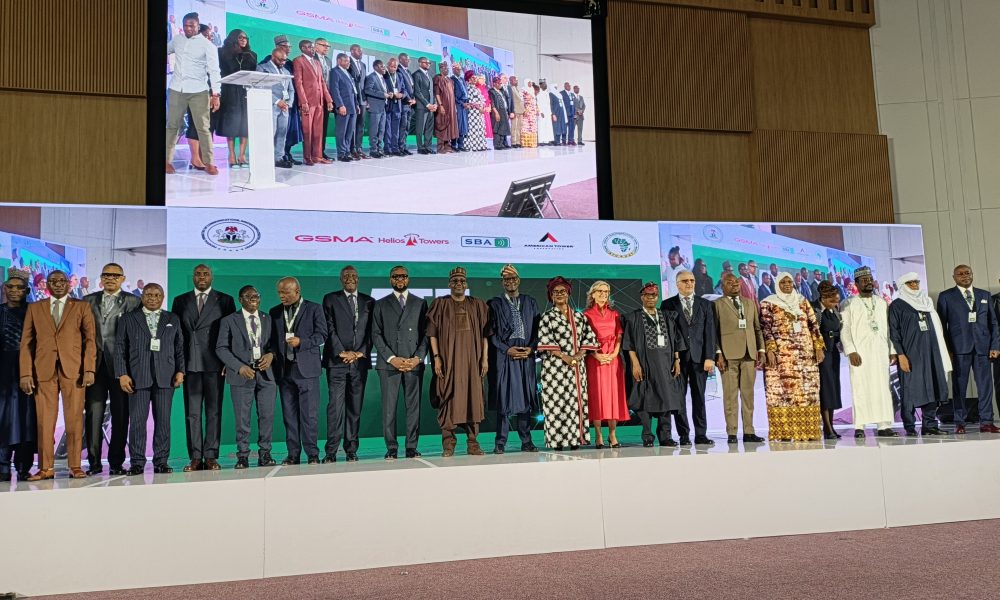
Adopted by Ministers and Heads of Delegation at the 7th Ordinary Session of the Conference of Plenipotentiaries of the African Telecommunications Union (ATU) in Abuja, the declaration commits African governments to advancing policies that promote digital inclusion, resilient infrastructure, technology-neutral regulation, and locally relevant digital services.
In conjunction with this commitment, the Federal Government of Nigeria and its continental partners unveiled ATLAS Umoja AI, a pan-African artificial intelligence initiative designed to ensure African languages, cultures, and indigenous knowledge systems are accurately reflected in the next generation of AI technologies.
ATLAS Umoja AI – where “Umoja” means “unity” in Swahili – is a direct expansion of Nigeria’s N-ATLAS project. Launched at the United Nations General Assembly in 2025, N-ATLAS became Africa’s first government-backed open-source large language model, developed in partnership with AI and robotics company Awarri. The new continental framework brings together governments, researchers, innovators, and tech companies to build locally relevant models at scale. The initiative’s founding state members include the governments of Benin, Kenya, Namibia, Nigeria, and Togo, who are joined by ecosystem partners including the GSMA, Awarri, Zindi, Pawa AI, and Mozisha.
Artificial intelligence represents a massive opportunity for Africa, yet current global systems lack the localized data needed to serve its population effectively. Dr. Bosun Tijani, Nigeria’s Minister of Communications, Innovation and Digital Economy, highlighted during the launch that despite Africa being home to nearly one-third of the world’s languages, fewer than two percent are meaningfully supported by modern AI systems. He emphasized that working together with governments and researchers will help build AI that is inclusive, accessible, and grounded in the continent’s own knowledge systems.
This launch represents a shift toward digital sovereignty, aiming to transition Africa from a mere consumer of emerging tech into an active contributor. Caroline Mbugua, GSMA’s Senior Director for Public Policy, Africa, stressed the importance of participating with the continent’s unique linguistic heritage, calling for more African countries to join the platform. Angela Wamola, Head of Africa at the GSMA, noted that making digital services available in everyday languages directly tackles major barriers to internet adoption, such as digital literacy and a lack of relevant content.
Silas Adekunle, Founder and CEO of Awarri, described the initiative as a definitive step toward building an ecosystem where creators have the right tools to solve local problems. Ultimately, ATLAS Umoja AI seeks to empower data scientists and developers to ensure the future of African language AI is developed by Africans, for Africans.
