


Kigali: TECHz Magazine – News Desk
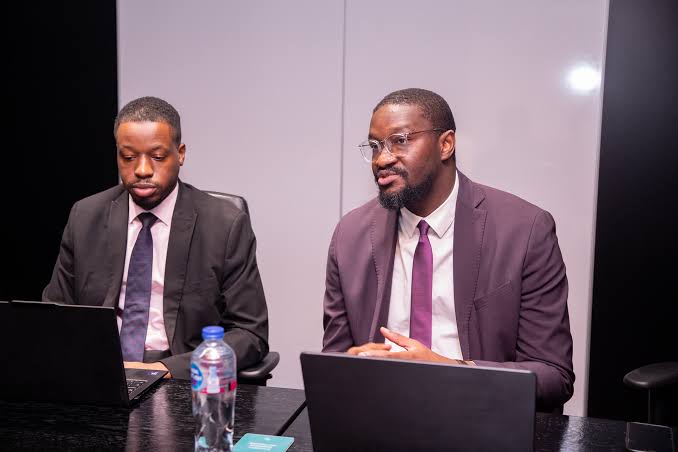
Smart Africa has emphasized the urgent need for enhanced public-private collaboration to forge a trusted, inclusive, and sustainable digital ecosystem globally and across the continent. Speaking at the second annual Global Digital Collaboration (GDC26) Conference in Geneva, Dr. Ralph Oyini Mbouna, Smart Africa’s Director of Digital Transformation and Services, advocated for a fundamental shift in how governments and technology enterprises partner with one another.
A central theme of the organization’s current strategy is the transition from mere advisory relationships to substantive partnerships that result in genuine co-creation. To achieve this, governments and private enterprises must jointly design scalable digital solutions, finance emerging technology infrastructure, deliver services effectively to citizens, and share full responsibility for project outcomes.
During the high-level opening Council Panel, Dr. Mbouna outlined the distinct yet complementary roles required to successfully execute this transformation. The public sector provides institutional legitimacy, structural policy frameworks, and ultimate accountability to citizens, while the private sector delivers cutting-edge technology, drives financial investment, fosters innovation, and provides the agility to move quickly. He warned that partnerships lacking distinct accountability mechanisms risk deteriorating into basic consultation rather than resulting in effective action, noting that true collaboration must be inherently matched by mutual responsibility.
This call to action aligns with Smart Africa’s broader mandate of strengthening digital cooperation and encouraging frameworks that facilitate an inclusive digital economy. By demanding higher accountability and shared stakes between public regulators and private innovators, the alliance continues to lay the necessary groundwork for African nations to actively produce, rather than merely consume, technological advancements.
